Building Trust: Essentials of a Healthy Dentist-Patient Relationship
November 24th, 2026
5 min read
Dentistry asks patients to make unusual decisions.
Someone you may only see a few times a year looks inside your mouth, studies an X-ray, and tells you that something needs to be treated.
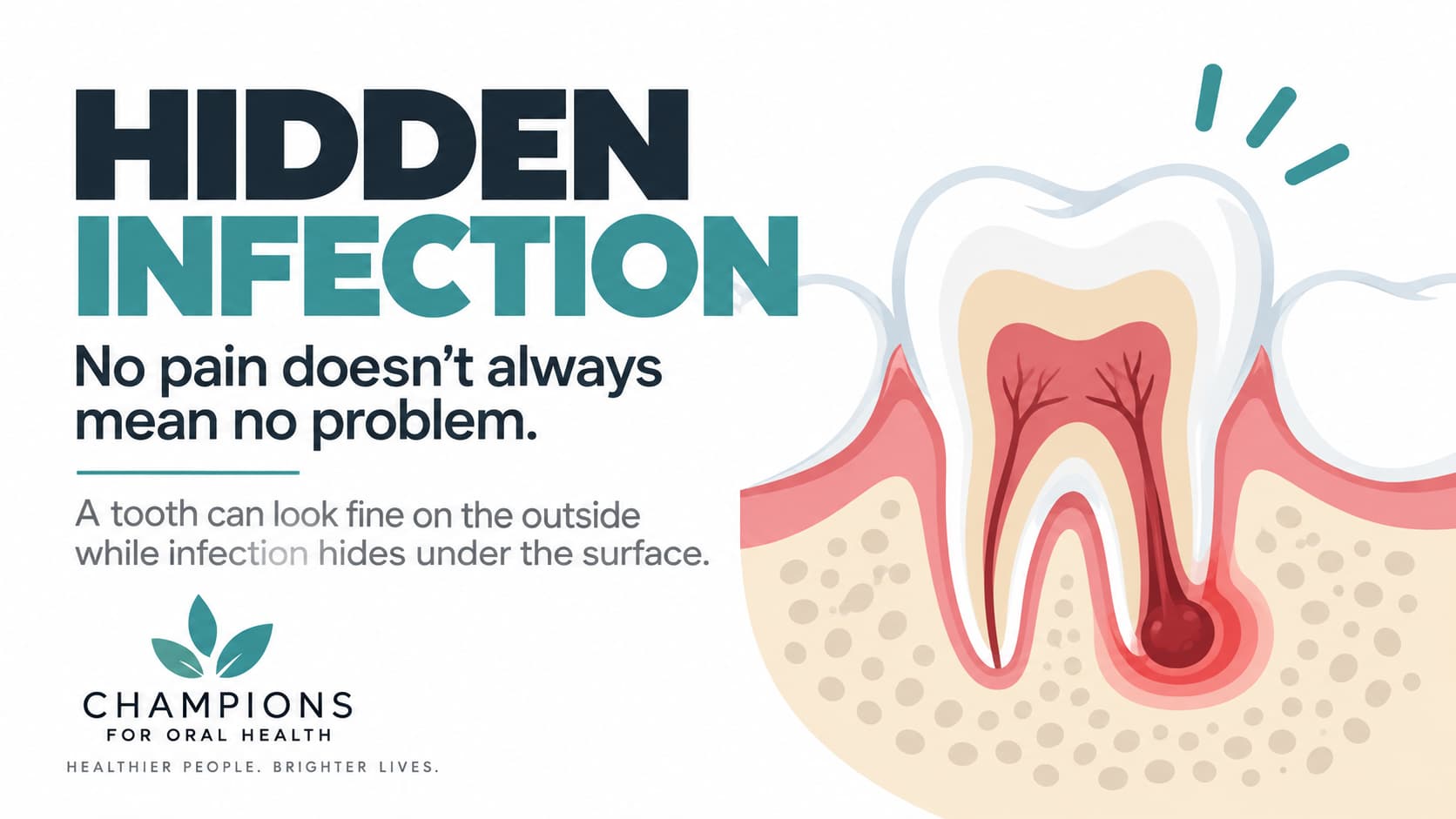
Sometimes nothing hurts.
Sometimes the treatment is expensive.
Sometimes there are several options.
And sometimes the recommendation involves permanently changing a tooth that feels completely normal.
So the question is reasonable:
How do you know whether to trust your dentist?
My answer is not:
“Find a dentist you like and believe whatever they tell you.”
Trust in healthcare should be stronger than that.
It should be built on transparency, communication, evidence, and your ability to understand the decision you are making.
Trust is not the same thing as obedience
There is an old model of healthcare where the doctor speaks and the patient follows instructions.
Dentistry has moved away from that model for good reason.
The American Dental Association’s principle of patient autonomy emphasizes that patients should be meaningfully involved in treatment decisions and informed about proposed treatment and reasonable alternatives.
That does not mean the patient and dentist have identical knowledge.
The dentist brings education, training, clinical experience, diagnostic tools, and professional judgment.
But the patient brings something equally important:
their goals, priorities, values, tolerance for risk, financial considerations, and ultimately the right to decide what happens to their body.
A good relationship needs both.
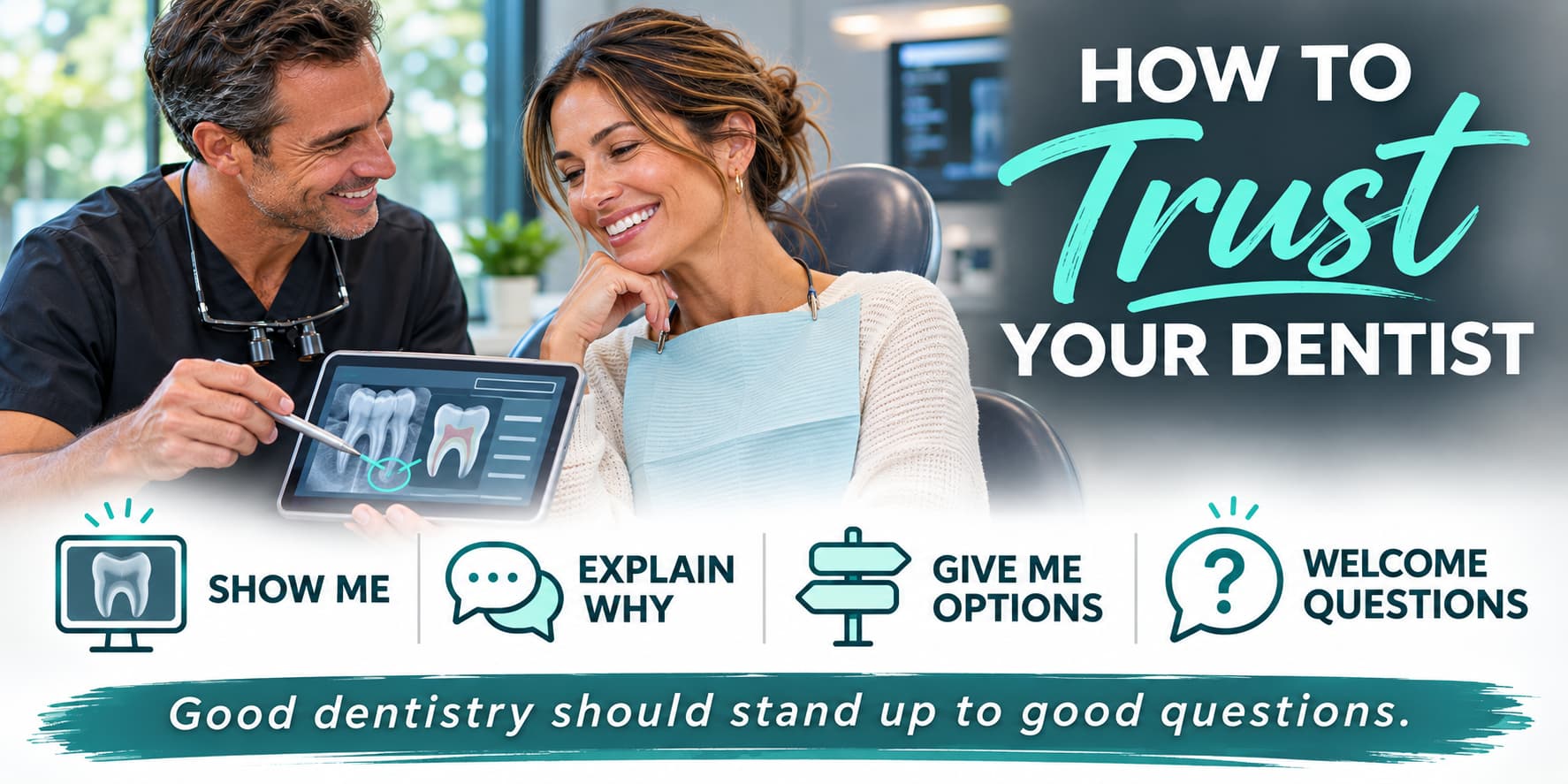
A trustworthy dentist should be able to show you what they see
Dentistry has one major advantage compared with many areas of medicine.
A lot of what we diagnose can be shown.
We can use:
- Intraoral photographs
- X-rays
- CBCT imaging when appropriate
- Digital scans
- Periodontal measurements
- Models
- Clinical photographs
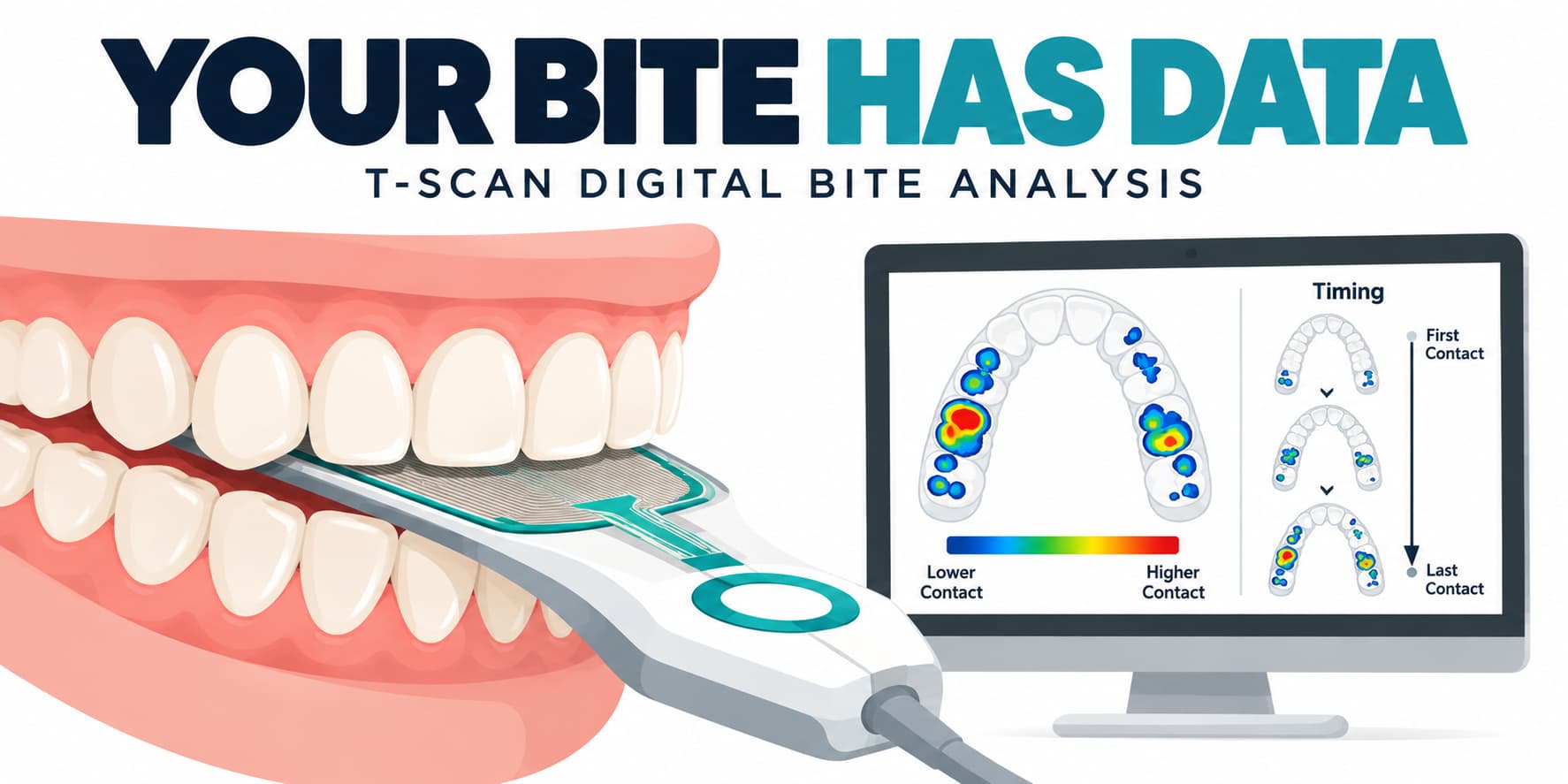
- Bite analysis
- Salivary or microbial testing in selected cases
Not every diagnosis can be reduced to a photograph.
And imaging should only be taken when clinically indicated.
But when there is something meaningful to show you, I think you should see it.
The ADA encourages dentists and patients to discuss recommendations for dental imaging so decisions can be made together.
When I show a patient a cracked restoration, bone loss, decay, inflammation, or a failing margin, the goal is not to scare them.
The goal is to make the conversation less mysterious.
You should understand why treatment is being recommended
A treatment plan should not feel like a shopping list.
“Three crowns, two fillings, an implant, and see you at the front desk.”
That may tell you what is being recommended.
It does not tell you why.
A more useful conversation sounds like:
“This tooth has a large existing restoration and a fracture running through the remaining tooth structure. Here is what I am concerned about. Here are the treatment options. Here is what we gain and what we give up with each.”
The patient may still choose differently than the dentist would choose personally.
That is okay.
The important thing is that the decision is informed.
Informed consent is not simply a signature on a piece of paper. The ADA describes it as a process that should include the treatment discussion, including risks, benefits, and alternatives.
Ask: “What happens if I wait?”
This may be one of the most useful questions in dentistry.
Not every dental problem has the same urgency.
Some things need prompt treatment.
Others can be monitored.
Others fall somewhere in between.
You should understand which category your problem falls into.
Ask:
What happens if I wait three months?
What about a year?
What are we monitoring for?
At what point would you say we need to intervene?
A dentist should not create urgency simply to make a patient act.
But a dentist also has an obligation to be clear when delaying treatment creates meaningful risk.
Trust requires both sides of that conversation.
Ask what the alternatives are
Good dentistry rarely means presenting ten choices that are all equally good.
Sometimes one treatment is clearly the most predictable.
But there may still be reasonable alternatives.
For example:
Can the tooth be restored conservatively?
Does it require a crown?
Would orthodontics change the restorative plan?
Can the tooth be saved, or is extraction more predictable?
If a tooth is removed, does it need to be replaced?
Should we monitor something instead of treating it today?
The ADA Code of Ethics specifically states that patients should be informed of reasonable treatment alternatives in a way that allows them to participate in treatment decisions.
You should know what those alternatives are—and why your dentist favors one over another.
A trustworthy dentist should also explain what treatment cannot do
This is especially important in wellness, cosmetic, and sports dentistry.
There is enormous pressure in healthcare marketing to promise outcomes.
“Fix your bite and eliminate your headaches.”
“Treat your gums and improve your athletic performance.”
“Do this procedure and improve your systemic health.”
Biology is rarely that simple.
A dentist can explain plausible connections and emerging research.
But the level of certainty should match the evidence.
I believe one of the best signs of a trustworthy clinician is hearing phrases like:
“The evidence is promising, but it is not definitive.”
“This may help, but I cannot promise that outcome.”
“We need another specialist involved.”
“I don't think dentistry is the primary cause of this problem.”
That is not weakness.
That is clinical judgment.
Trust should include financial transparency
Dental treatment can be expensive.
Pretending that cost does not influence healthcare decisions is unrealistic.
A patient should understand:
- What treatment is being proposed
- What the priorities are
- What can be staged
- What alternatives exist
- What the expected fees are
A good treatment plan should help patients separate:
urgent care
from
important but elective care
from
purely elective aesthetic care.
That allows the patient to make decisions based on health and personal priorities rather than feeling that everything has to happen immediately.
Your dentist should be comfortable with questions
Patients sometimes apologize for asking questions.
They should not.
If I recommend significant treatment, I should expect questions.
That does not mean every appointment can become a three-hour seminar.
But asking for clarification should never feel disrespectful.
The ADA specifically notes that communication is foundational to the dentist-patient relationship and that misunderstandings about treatment, risks, goals, and fees can damage that relationship.
Questions usually make treatment better because they reveal where we have not communicated clearly enough.
What about getting a second opinion?
For large, irreversible, expensive, or complicated treatment plans, a second opinion can be reasonable.
A second opinion does not necessarily mean the first dentist is wrong.
Dentistry involves judgment.
Two competent dentists may agree on the diagnosis but favor different ways of solving the problem.
The goal should be understanding the reasoning behind those differences.
Patients also have rights regarding access to their dental information. ADA guidance notes that patients can request copies of records and radiographs for future treatment.
A dentist should not feel threatened because a patient wants to understand a major decision thoroughly.
Technology does not automatically equal trust
Digital scanners, CBCT machines, lasers, microscopes, AI, salivary testing, and other technology can provide valuable information.
But technology should support diagnosis.
It should not replace thinking.
A trustworthy dentist should be able to tell you:
What does this test tell us?
What does it not tell us?
How will the result change what we do?
A sophisticated test that does not affect the treatment decision may simply create more information—not necessarily better care.
Look for consistency
Trust is also built over time.
Does your dentist's approach remain consistent?
Do they explain why a recommendation changed?
Do they monitor something when monitoring is appropriate?
Do they follow up on previous findings?
Do the treatment priorities make sense from visit to visit?
A relationship becomes much easier to trust when the reasoning is consistent and documented.
What trust looks like at Champions for Oral Health
At Champions for Oral Health, our goal is not for patients to say:
“Dr. K said it, so I did it.”
I would rather hear:
“I understood the problem, I saw what they were concerned about, we talked through the options, and I decided this was the right treatment for me.”
That is a healthier form of trust.
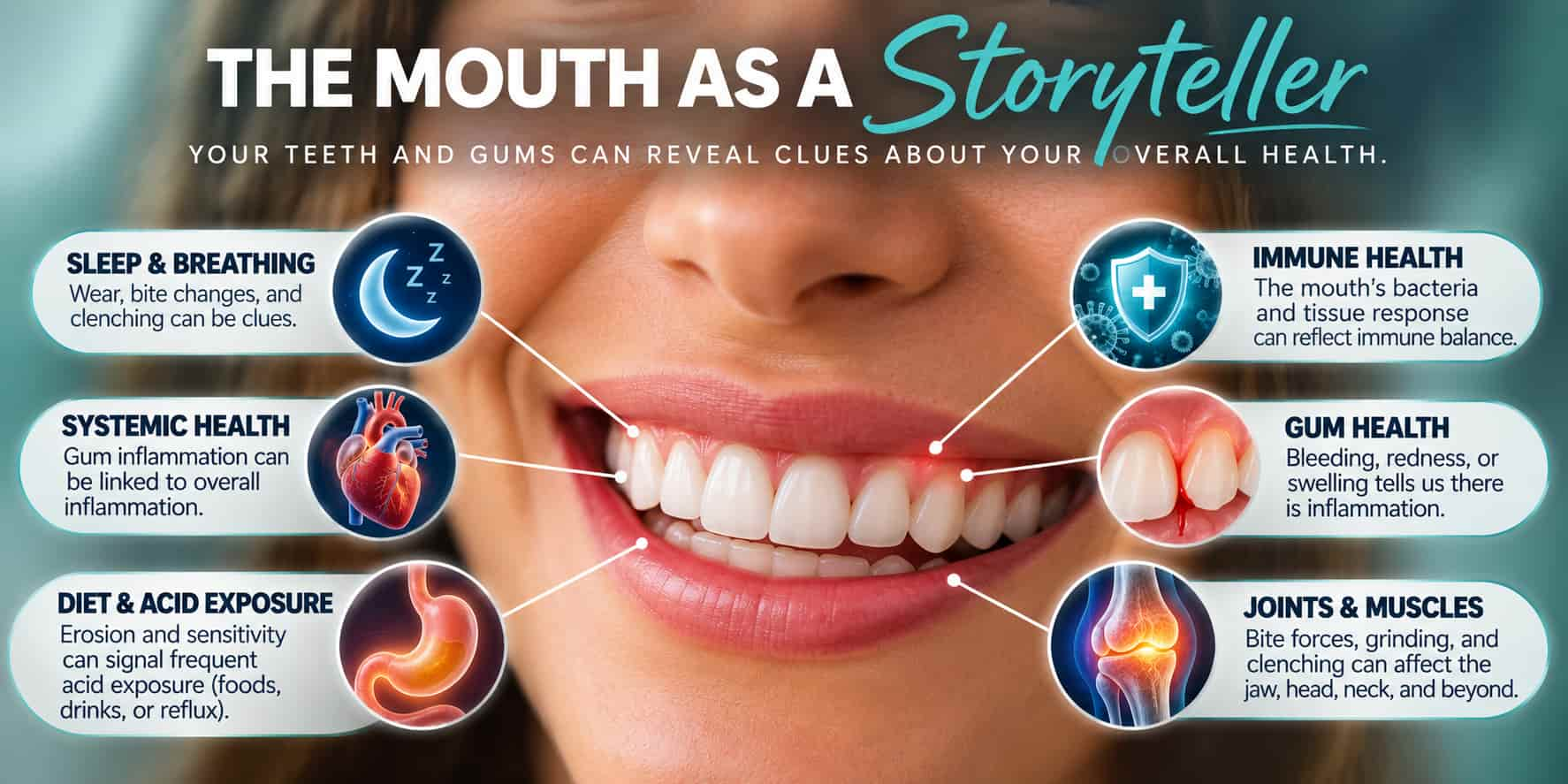
We use photography, imaging, digital planning, clinical examination, and additional diagnostic testing when appropriate because we want patients to understand the story their mouth is telling.
Sometimes that leads to treatment.
Sometimes it leads to monitoring.
Sometimes it leads to a specialist.
And sometimes it leads to deciding that no treatment is needed at all.
Four questions to bring to your next dental visit
If you are unsure about a recommendation, start here:
1. Can you show me what you see?
2. Why are you recommending treatment?
3. What are the reasonable alternatives?
4. What happens if I wait?
You do not need to become a dentist to make good dental decisions.
You need a dentist willing to help you understand them.
Looking for a dental relationship built around transparency?
If you have been given a complex treatment plan, are unsure about previous recommendations, or simply want a more collaborative approach to your oral health, schedule a comprehensive evaluation with Champions for Oral Health in Fairfax, Virginia.
Our goal is not to ask you for blind trust. It is to give you enough information to make a confident decision about your own care.
Dr. Chad Kasperowski is a DSD Master-certified cosmetic dentist, Fellow of the Academy of General Dentistry, and the Official Team Dentist for the Washington Commanders — bringing the same relentless pursuit of excellence to every patient in his Fairfax, Virginia, chair that he brings to the NFL.
Topics: