Search for topics or resources
Enter your search below and hit enter or click the search icon.
Your sleep quality and your oral health are more connected than most people realize — and your dentist can help with both.

Focused Practice
Digital Smile Design Master
Appliances Avilable
Sleep is when your body repairs and regenerates tissue — including the tissues in your mouth. Poor or insufficient sleep disrupts this process, creating a cascade of effects that show up directly in your oral health.
At Champions for Oral Health in Fairfax, Virginia, we take a whole-body approach to dental wellness. That means looking beyond your teeth and gums to the lifestyle factors — including sleep — that either protect or undermine your oral health over time.
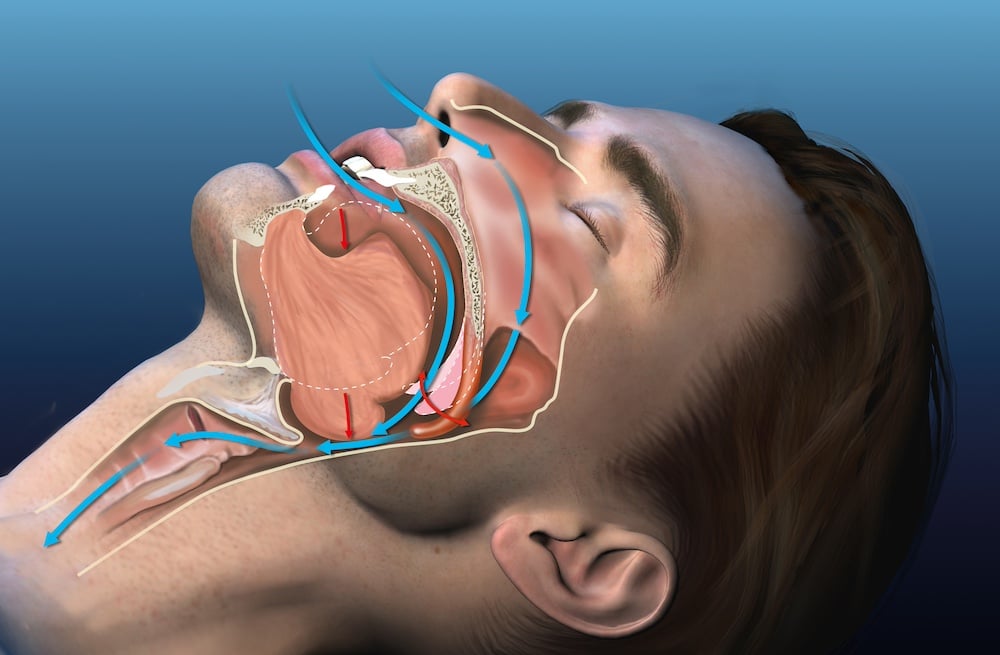
Sleep deprivation weakens immune function, increases inflammation in gum tissue, elevates stress hormones that trigger teeth grinding, and slows healing after dental procedures. Quality sleep is not optional — it is foundational to oral health.
Here is how inadequate sleep directly affects your mouth:

Chronic sleep deprivation raises systemic inflammation and reduces the immune response that keeps periodontal bacteria in check
Shallow or interrupted breathing during sleep reduces saliva flow, increasing cavity and erosion risk
Poor sleep quality is one of the strongest predictors of nocturnal bruxism, leading to worn enamel, cracked teeth, and jaw pain
Patients who sleep poorly after implant surgery, extractions, or gum procedures take longer to recover and face higher complication rates
Poor sleep raises cortisol levels, increasing jaw clenching and worsening temporomandibular joint (TMJ) dysfunction
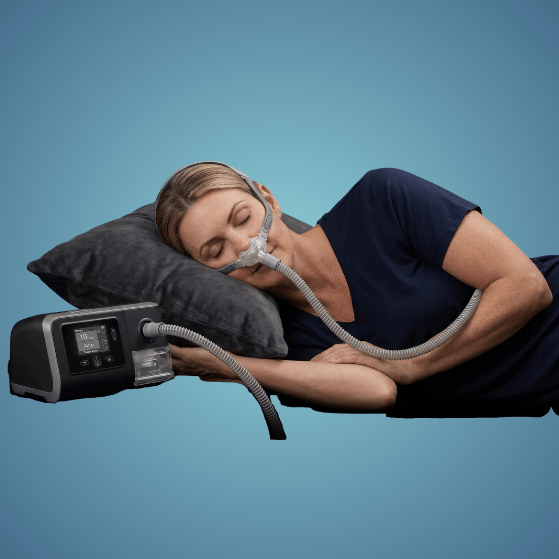
CPAP (Continuous Positive Airway Pressure) is the gold standard treatment for obstructive sleep apnea. It works — but roughly 50% of CPAP users cannot tolerate it long-term. The mask is uncomfortable, the machine is noisy, and travelling with it is a burden.
For these patients, there is a clinically proven alternative: a Mandibular Repositioning Appliance (MRA).
An MRA is a custom-fitted oral device — similar in appearance to a sports mouthguard — worn during sleep. It works by gently positioning the lower jaw (mandible) slightly forward, which tightens the soft tissue and muscles of the upper airway, preventing collapse and keeping the airway open throughout the night.
Benefits of a dental sleep apnea appliance:
Small, silent, and comfortable — nothing like a CPAP mask
Custom-fabricated to fit your teeth precisely
Travel-friendly — fits in a small case
No electricity, hoses, or distilled water required
Adjustable positioning for optimal therapeutic effect
Can also reduce or eliminate snoring in patients without OSA
MRA therapy may be right for you if:
You have been diagnosed with mild-to-moderate obstructive sleep apnea (confirmed by a sleep study)
You have tried CPAP and cannot tolerate it long-term
You are a habitual snorer affecting your own sleep or your partner's
You wake with morning jaw pain, headaches, or dry mouth that suggests nocturnal breathing issues
Your dentist has noted signs of bruxism, worn enamel, or TMJ dysfunction consistent with airway problems
Not everyone with snoring has sleep apnea — and not everyone with sleep apnea is suited to an oral appliance. A proper evaluation and sleep study results are required before Dr. Kasperowski will recommend treatment. We always start with an accurate diagnosis.

If you suspect sleep apnea, snore regularly, or wake with jaw pain and headaches, talk to Dr. Kasperowski. We can help identify whether a sleep apnea appliance is the right next step for you.
Book online or call our team at (703) 591-5637. Same-day appointments available.