Two procedures, two different problems — both transformed by biologics-enhanced healing and Digital Smile Design planning at Champions for Oral Health.
Biologics-Enhanced Healing
Digital Smile Design Planned
Digital Smile Design Master
Gum grafting and gum recontouring are often mentioned together — but they treat completely different conditions. Understanding which one applies to you is the first step in getting the right treatment.
At Champions for Oral Health in Fairfax, Virginia, both procedures are enhanced with dental biologics to accelerate healing and planned using Digital Smile Design (DSD) technology — so you can visualize your outcome digitally before any treatment begins.
Receding Gums — Adds Tissue
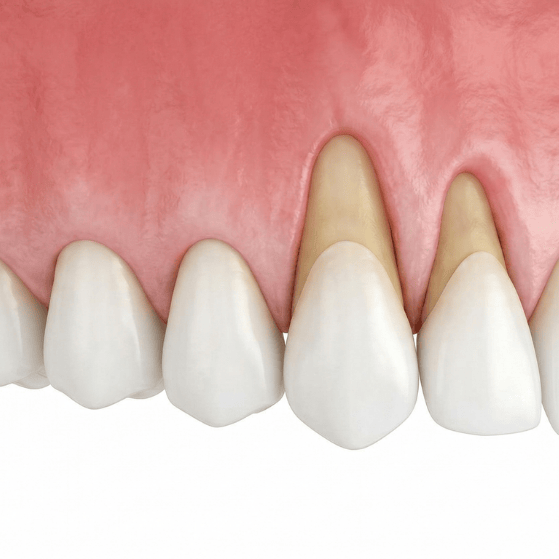
Gum grafting repairs areas where gum tissue has receded away from the teeth, exposing root surfaces. The procedure restores a healthy gum margin, eliminates sensitivity, protects roots from decay, and prevents further recession from progressing. It is both a health procedure and an aesthetic one.
Excess Gums — Removes Tissue
Gum recontouring reshapes a gum line that is too high, too low, or uneven — revealing more tooth structure, correcting a gummy smile, or balancing an asymmetric gum margin. It is primarily a cosmetic procedure with a transformative impact on smile proportions and confidence.
Gum recession is progressive. Once the gum margin retreats, it does not grow back on its own — and the further it recedes, the more root surface is exposed to decay, erosion, and sensitivity. A gum graft halts that progression and restores the protective tissue margin your teeth depend on.
Common causes of gum recession include:
Bacterial infection destroys the attachment between gum and tooth, causing the margin to retreat
Brushing too hard with a firm-bristled brush gradually wears away thin gum tissue
Some patients are genetically predisposed to a thinner, more recession-prone gum tissue
Excessive force on teeth stresses the supporting tissue, accelerating recession over time
Teeth moved outside their natural bone envelope can leave gum margins vulnerable
Direct injury or lip/tongue piercings that contact the gum can cause localised recession
Teeth that look longer than they used to
Sensitivity to cold, heat, or touch at the gum line
Visible root surface — a darker, more yellow area below the enamel
A notch at the gum line where the tooth meets the root
An asymmetric gum margin that has been retreating over time
Receding gums do not heal on their own. Addressing recession early — while the tooth still has strong supporting bone and tissue — produces far better outcomes than waiting until the problem is severe. If you have noticed any of these signs, a consultation is the right first step.
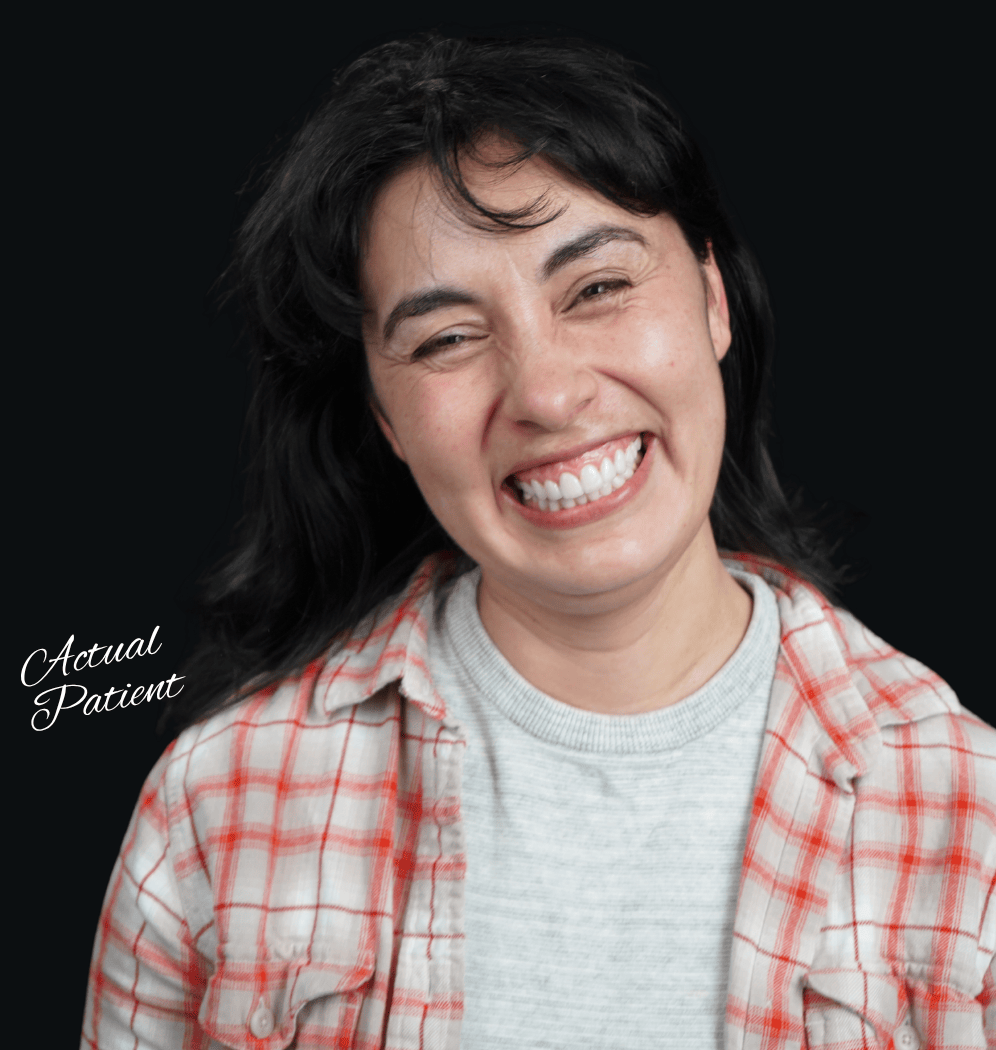
A gummy smile — one where excessive gum tissue shows above the teeth when smiling — can make teeth appear short, stubby, or disproportionate even when the teeth themselves are perfectly healthy. Gum recontouring surgically removes or reshapes that excess tissue, revealing the full, natural length of the tooth and creating a balanced, aesthetically pleasing gum line.
The same procedure is used to correct an uneven gum line — where different teeth have different gum heights — which can make a smile appear disorganised or asymmetric regardless of how white or straight the teeth are.
Gum recontouring may be the right solution if:

Correcting the gum frame before veneers, crowns, or whitening are applied. Getting the gum line right first ensures the final cosmetic result is truly harmonious.
At Champions for Oral Health, gum grafting procedures are enhanced with dental biologics — natural regenerative substances including platelet-rich fibrin (PRF) and growth factors derived from the patient's own blood. When incorporated into the graft, biologics:
Accelerate soft tissue regeneration and graft integration
Reduce post-operative inflammation and discomfort
Improve the predictability of graft take rates
Support faster recovery — typically shortening downtime
Reflect our commitment to biocompatible, body-first dentistry
Dr. Kasperowski is a DSD (Digital Smile Design) Master-certified provider in Fairfax, Virginia. For gum grafting and recontouring cases, DSD technology creates a precise digital model of your mouth and generates a visualisation of your gum line outcome before a single incision is made.
This means you know exactly what to expect — and your treatment is planned to achieve a result that is proportionate, natural, and harmonious with your facial aesthetics. No guesswork. No surprises.
While gum grafting and recontouring are distinct procedures, they follow a similar patient journey at Champions for Oral Health. Here is an overview of what to expect:
Book an AppointmentA comprehensive assessment of your gum tissue, including digital measurements, photographs, and — where indicated — CBCT imaging or iTero scanning. Digital Smile Design technology is used to plan your new gum line and show you the anticipated outcome.
Topical anesthetic is applied first, followed by local injection to fully numb the treatment area. Both the graft recipient site and (for grafting) the palatal donor site are anesthetized. You should not feel pain during the procedure — only occasional pressure.
Grafting: Donor tissue is harvested from the palate or obtained from a biocompatible donor source, then carefully sutured over the exposed root site. Biologics are applied to promote integration and healing.
Recontouring: Excess gum tissue is precisely removed using a surgical blade or dental laser, following the DSD-planned new gum line. The result is visible immediately.
Detailed written instructions are provided covering diet (soft foods for one to two weeks), hygiene protocol in the treated area, pain management, and activity. Most patients return to normal activities within a few days, with full healing over two to four weeks.
A follow-up appointment at one to two weeks checks healing, confirms suture removal where needed, and assesses initial outcomes. Final gum position stabilises over four to six weeks as the tissue matures.
Talk to our friendly and knowledgeable team.
Call or Book Online
Our office is a reflection of your care, modern, clean and comfortable.
Leave knowing all of your dental needs have been taken care of.
Gum grafting adds tissue where gums have receded — covering exposed roots, reducing sensitivity, and restoring a healthy protective gum margin. Gum recontouring removes tissue where gums are excessive — correcting a gummy smile, balancing an uneven gum line, or exposing more tooth for cosmetic or restorative purposes.
At Champions for Oral Health in Fairfax, VA, both procedures are planned with Digital Smile Design technology so outcomes are predictable and harmonious.
The procedure is performed under local anesthesia — you should feel no pain during treatment. Post-operative soreness is normal for several days, particularly at the palatal donor site.
Champions for Oral Health incorporates biologics into gum graft procedures to reduce post-operative inflammation and accelerate healing, which typically improves recovery comfort compared to conventional technique alone. Prescription pain relief and detailed care instructions are provided.
Gum recession is caused by gum disease, aggressive tooth brushing, thin gum genetics, teeth grinding, orthodontic treatment, or trauma.
Signs that a graft may be needed include visible root exposure, teeth appearing longer than before, sensitivity at the gum line, or a notch where the tooth meets the root.
A clinical assessment with digital measurements will determine whether a graft is necessary and, if so, which teeth require treatment.
Not all recession requires grafting — the decision depends on whether it is progressing and how much supporting tissue remains.
A gummy smile occurs when more than 2–3mm of gum tissue is visible above the upper teeth during a full smile — making teeth appear short or the smile appear unbalanced.
Gum recontouring surgically removes the excess tissue to reveal the full crown of each tooth. It can also correct an uneven gum line where different teeth show different gum heights.
At Champions for Oral Health, DSD planning is used to map the exact new gum position before treatment — so you see the result before it happens.
Most patients return to normal activities within a few days and resume a regular diet within one to two weeks. Full tissue integration takes two to four weeks; final gum maturation occurs over one to three months.
The biologics used at Champions for Oral Health promote faster soft tissue regeneration, which typically shortens recovery time compared to conventional graft procedures.
Dental biologics are regenerative substances — including platelet-rich fibrin (PRF) derived from the patient's own blood — that concentrate growth factors at the graft site to stimulate faster tissue regeneration, improve graft integration, and reduce post-operative inflammation.
Their use at Champions for Oral Health reflects the practice's broader commitment to biocompatible, wellness-first care — using the body's own healing capacity rather than synthetic agents wherever possible.
Gum recession does not self-correct — it progresses over time. As the gum retreats further, more root surface is exposed to bacterial decay, acid erosion, and sensitivity. Roots have no enamel protection and are significantly more vulnerable than crown surfaces.
Advanced untreated recession can eventually compromise the bone support around the tooth, increasing the risk of tooth loss. Early intervention preserves more healthy tissue and produces better outcomes with simpler treatment.
Whether you are concerned about receding gums, a gummy smile, or an uneven gum line, we will show you the outcome using Digital Smile Design before any treatment begins.
Book online or call our team at (703) 591-5637. Same-day appointments available.