Regular exercise is one of the best things you can do for your mouth — but certain fitness habits can quietly damage your teeth at the same time.
The connection between physical fitness and oral health is more direct than most people expect. Regular moderate exercise does not just improve cardiovascular health and body composition — it creates measurable improvements in the tissues of your mouth, your immune defence against oral bacteria, and the stress responses that drive some of the most common dental problems we see at Champions for Oral Health in Fairfax, Virginia.
Lower risk of severe gum disease in regularly active adults vs. sedentary individuals
Reduction in systemic inflammatory markers associated with periodontal disease in regular exercisers
More likely to maintain adequate saliva flow with consistent daily hydration during exercise
Exercise increases blood flow to every tissue in the body — including the gums and jaw bone. Better circulation means more oxygen and nutrients reaching periodontal tissue, supporting healing and resistance to infection.
Regular physical activity trains and strengthens the immune system. A more robust immune response is significantly better at controlling the bacterial load responsible for gum disease, cavities, and oral infections.
Chronic low-grade inflammation is the direct driver of periodontal tissue breakdown. Exercise is one of the most powerful anti-inflammatory interventions available — reducing the same inflammatory markers that destroy gum attachment.
High cortisol levels are strongly associated with teeth grinding (bruxism) and jaw clenching. Exercise is one of the most effective ways to reduce cortisol — protecting teeth, enamel, and jaw joints from the damage that stress-related grinding causes.
Obesity is independently associated with increased risk of periodontal disease and slower healing after dental procedures. Maintaining a healthy weight through regular exercise reduces this risk and improves outcomes from treatment.
Weight-bearing exercise and resistance training help maintain systemic bone density — including in the jaw. This is particularly important for patients with dental implants or bone grafts, where bone quality directly affects long-term success.
Here is the part most people don't expect: research consistently shows that competitive athletes and highly active individuals actually have higher rates of dental erosion and cavities than sedentary people. The exercise itself is not the problem — it is the habits that surround it.
Sipping a sports drink slowly over 60 minutes of training exposes your teeth to acid for the full duration of the session. A single large glass of plain water at the end does not neutralise that exposure. Switching to water — or at minimum rinsing with water during and after — makes a material difference.
Highly acidic (pH 2.9–3.7) and high in sugar. Sipping during exercise keeps enamel in a constant state of acid attack. One of the biggest causes of erosion in active adults.
Intense cardio triggers mouth breathing, which rapidly dries out oral tissue. A dry mouth has far less saliva — your body's primary defence against cavities and gum disease.
Many athletes clench or grind their teeth during high-effort activity — weightlifting, cycling climbs, sprinting. Over time this cracks enamel, fractures restorations, and overloads jaw joints.
Contact sports cause thousands of dental injuries annually — knocked-out teeth, root fractures, jaw injuries. Most are preventable with a properly fitted mouthguard.
Gels, chews, bars, and sports snacks are high in fermentable carbohydrates that feed cavity-causing bacteria. Frequent use without rinsing significantly elevates cavity risk.
Demanding training schedules often lead to deferred dental care. Problems caught early are straightforward to fix. Left unattended, the same issues become costly and complex.
None of these risks require you to train less or change your sport. Small, practical adjustments to your routine make a significant difference to your long-term oral health — without affecting your performance.

For exercise under 60 minutes at moderate intensity, water is all you need for hydration. If you do use electrolyte drinks, choose options with lower acidity and rinse your mouth with plain water immediately afterward — do not brush for at least 30 minutes after acid exposure.
Nasal breathing humidifies and filters air, and keeps saliva flow normal. During high-intensity efforts where mouth breathing is unavoidable, stay consistently hydrated with water to offset the drying effect.
Over-the-counter boil-and-bite guards offer limited protection and interfere with breathing. A custom-fitted guard from Dr. Kasperowski stays in place, distributes impact effectively, and does not compromise your airway or communication during play.
A thin, hard-acrylic guard worn during weightlifting or cycling protects enamel and porcelain restorations from the forces of exertion clenching — which can exceed normal biting force by a significant margin.
Batch your sports nutrition intake rather than grazing throughout training. Rinse with water immediately after. This reduces the duration of bacterial acid production between doses.
Twice-yearly professional cleaning removes calculus that no amount of brushing can address. Early detection of erosion, cracks, or gum changes is far easier to manage than the same issues found months later.
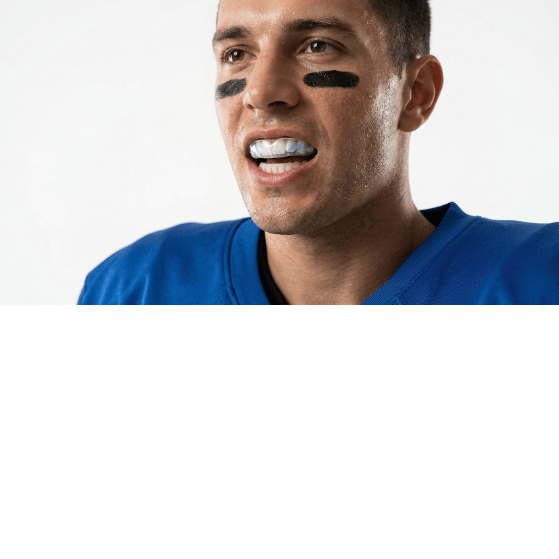
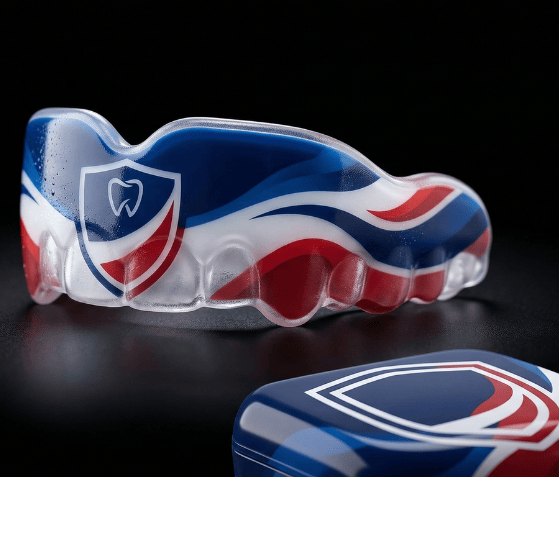
A properly fitted custom mouthguard is one of the most cost-effective investments an active person can make in their oral health. The difference between a store-bought option and a dentist-fabricated custom guard is substantial — in protection, comfort, and long-term fit.
Custom-fitted to your exact bite — no bulk, no shifting, no speaking difficulties
Better impact distribution — spreads force across the full arch rather than concentrating it at one point
Protects existing dental work — crowns, veneers, implants, and bonding are all vulnerable to sports trauma without adequate protection
Does not interfere with breathing — unlike thick stock guards, a well-made custom guard allows normal airway function during high-intensity effort
Durable and easy to maintain — typically lasts 2–3 seasons with normal use
As the official dentist of the Washington Commanders, Dr. Kasperowski understands exactly what professional athletes need from dental protection. That same standard of custom-fitted care is available to every active patient at Champions for Oral Health in Fairfax.
Whether you need a custom sports mouthguard, want to address signs of erosion or grinding, or simply want your oral health to reflect the effort you put into your fitness — we can help.
Book online or call our team at (703) 591-5637. Same-day appointments available.