Restore Damaged Teeth with Natural-Looking Dental Crowns

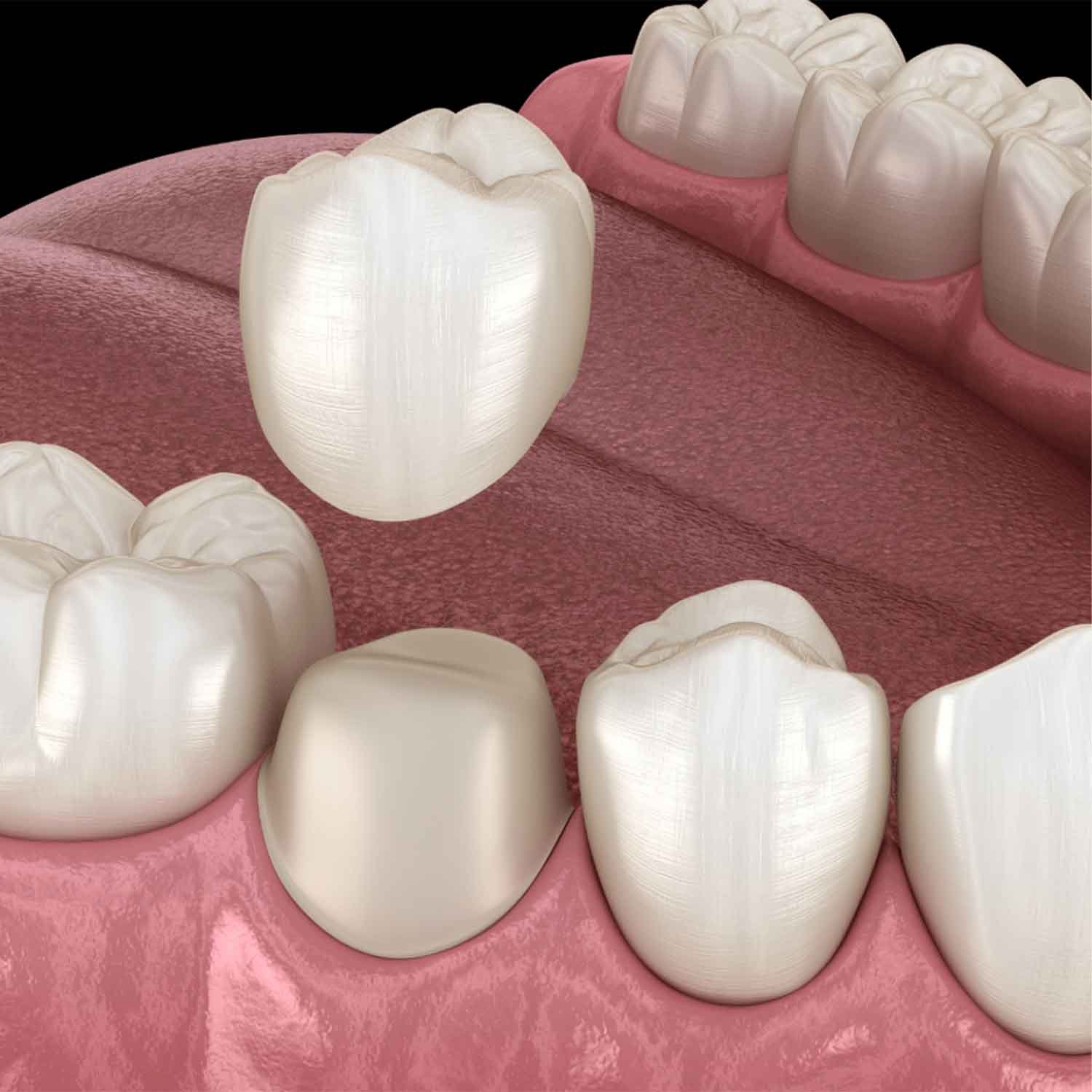
Dental crowns are custom crafted caps that cover and protect damaged, weak, or broken teeth restoring function, strength, and appearance. Metal-free ceramic options provide beautiful, biocompatible results that last 15-25+ years.

Dental Crowns

Dental Crowns

Protecting weak, damaged, or treated teeth while restoring full function and natural appearance.

The Problem

When Teeth Are Too Damaged for Fillings: Why Crowns Become Necessary

X-Outline

Large Fillings Eventually Fail

When more than 50% of tooth structure is filling material, teeth become weak and prone to fracture. Biting forces create cracks in remaining tooth structure. Eventually, large fillings break—often taking pieces of tooth with them, requiring emergency repair.

X-Outline

Cracked or Broken Teeth Need Protection

Teeth crack from trauma, grinding, old fillings, or root canals. Cracks allow bacteria to enter, cause pain, and can lead to tooth loss if not protected. Once a tooth has a significant crack, a filling isn't strong enough—the tooth needs complete coverage.

X-Outline

Root Canal Treated Teeth Are Fragile

After root canal therapy, teeth become brittle (no internal blood supply). Without crown protection, root canal teeth fracture within months to years—wasting the investment in saving the tooth and often requiring extraction.
The Solution - Dental Crowns

Custom Caps That Cover and Strengthen Damaged Teeth

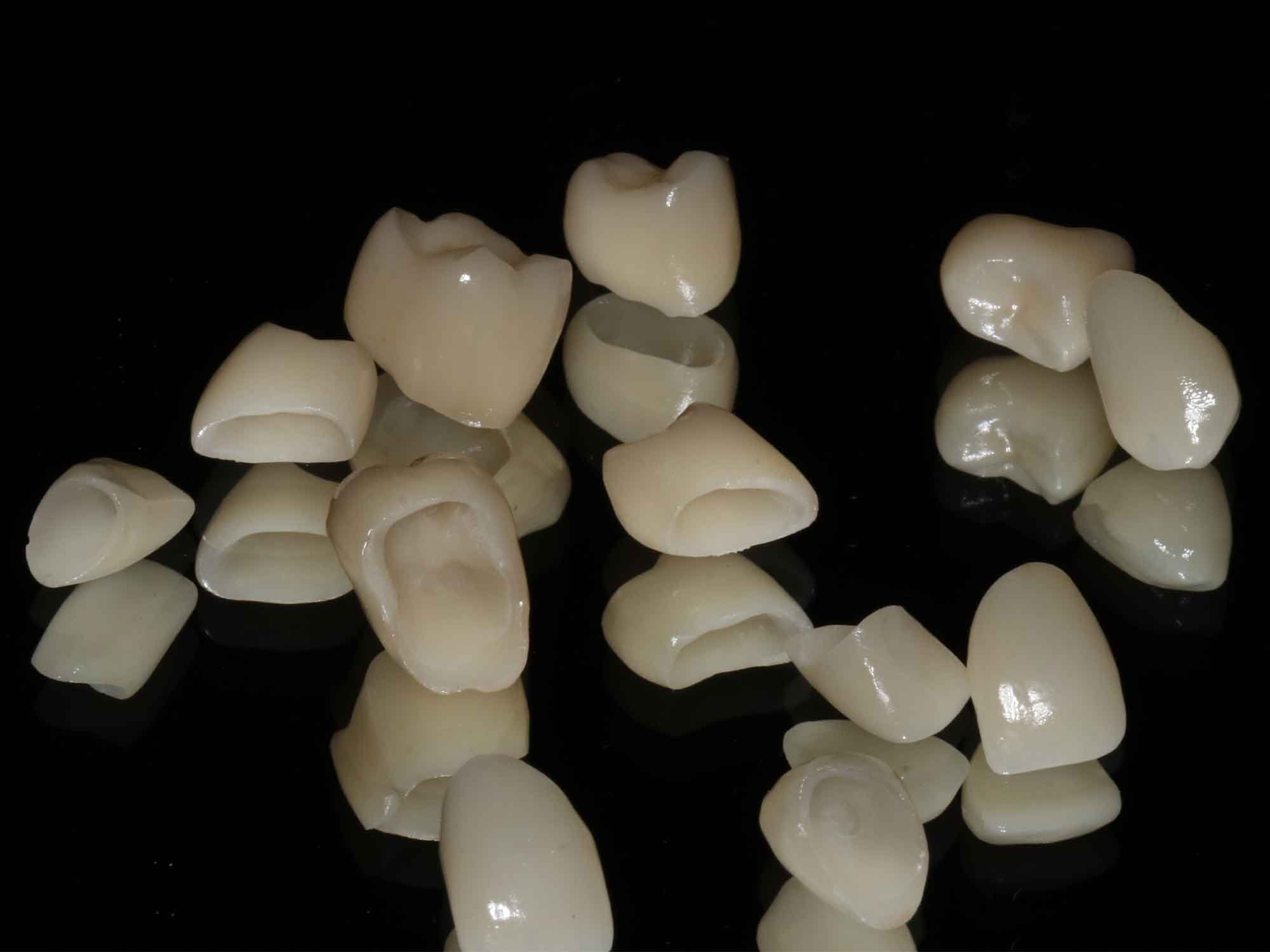
A dental crown is a tooth-shaped "cap" that completely covers a damaged tooth from the gum line up, restoring its size, shape, strength, and appearance. Crowns are custom-made to match your natural teeth and are cemented permanently in place, functioning exactly like a natural tooth.

Think of a crown as a protective helmet for a vulnerable tooth—it shields the damaged structure underneath while providing a strong, functional chewing surface. With modern materials like porcelain and zirconia, crowns can be made entirely metal-free, looking completely natural while providing superior strength.

Over 15 million crowns are placed annually in the U.S.—they're one of the most reliable, time-tested dental restorations available.

What Crowns Accomplish

How Dental Crowns Work

Structural Protection:

  • Covers entire visible tooth above gum line
  • Prevents further cracking or breaking
  • Distributes chewing forces evenly
  • Protects remaining tooth structure

Functional Restoration:

  • Restores full biting and chewing capacity
  • Returns tooth to normal size and shape
  • Maintains proper bite alignment
  • Prevents opposing teeth from over-erupting

Aesthetic Improvement:

  • Matches natural tooth color and translucency
  • Improves appearance of damaged or discolored teeth
  • Creates uniform, attractive smile
  • Looks completely natural (with modern materials)

Longevity:

  • Average lifespan: 15-20 years
  • With excellent care: 25+ years
  • Permanent solution (not temporary fix)
  • Protects tooth for lifetime when maintained
How Dental Crowns Work
The Crown Process

Getting a Dental Crown: What to Expect

Traditional Crown Process (2 Appointments) Schedule an Appointment
01

Appointment 1: Preparation & Temporary Crown (60-90 minutes)

What happens:

1. Anesthesia & Comfort:

  • Local anesthetic ensures zero pain
  • Sedation options available if anxious
  • Complete numbness before starting

2. Tooth Preparation:

  • Remove decay or old filling material
  • Shape tooth to receive crown (remove 1-2mm all around)
  • Create smooth, tapered walls
  • Ensure adequate clearance for crown material
  • Preserve as much healthy tooth as possible

3. Impressions or Digital Scan:

  • Traditional: Physical impression with putty material
  • Modern (our preference): Digital intraoral scan (more accurate, no gag reflex)
  • Captures exact tooth shape and bite relationship

4. Shade Selection:

  • Match crown color to adjacent natural teeth
  • Multiple lighting conditions used
  • Photos taken for lab reference

5. Temporary Crown Placement:

  • Tooth-colored temporary crown made and cemented
  • Protects prepared tooth
  • Maintains appearance and function during fabrication period
  • Temporary cement allows easy removal later

You leave with protected tooth and functional temporary crown.

Timeline: 2-3 weeks while permanent crown is fabricated in dental lab

Care during temporary phase:

  • Avoid very sticky or hard foods on temporary
  • Chew on opposite side when possible
  • Brush gently around temporary
  • Call immediately if temporary comes loose
02

Appointment 2: Permanent Crown Placement (45-60 minutes, 2-3 weeks later)

What happens:

1. Temporary Crown Removal:

  • Temporary cement softened
  • Temporary crown removed
  • Tooth cleaned thoroughly

2. Permanent Crown Try-In:

  • New crown placed on tooth WITHOUT cement
  • Fit evaluated (margins, contacts, bite)
  • Shade confirmed in natural lighting
  • Your approval obtained

3. Permanent Cementation:

  • Tooth isolated and dried (moisture-free)
  • Crown interior and tooth prepared for bonding
  • High-strength dental cement applied
  • Crown seated firmly
  • Excess cement removed
  • Light-cured or chemically set

4. Final Adjustments:

  • Bite checked and adjusted
  • Ensure comfortable closure
  • Floss contacts verified
  • Polish margins

5. Post-Op Instructions:

  • Care guidelines provided
  • What to expect (sensitivity, adjustment period)
  • When to call with concerns

Your tooth is now permanently restored—functions like natural tooth.

Timeline: Complete in single appointment, immediate function

Three-Step Plan

Your Path to Dental Crowns

01

Schedule an Appointment

Talk to our friendly and knowledgeable team.

Call or Book Online

02

Visit the Office

Our office is a reflection of your care, modern, clean and comfortable.

03

Smile

Leave knowing all of your dental needs have been taken care of.

FAQs

Your Dental Crown Questions Answered

Below are the most common questions patients have about Dental Crowns. If your question is not in the list below, please click on the "Ask Your Specific Question" button below, and we will happily answer your questions.

Does getting a crown hurt?

How long does a crown last?

Can you get a cavity under a crown?

Will my crown look natural?

Can a crown be whitened?

What if my crown doesn't fit right or feels uncomfortable?

Is a crown better than a filling?

Can I get a crown on a front tooth?

What's the difference between a crown and a cap?

Do I need a root canal if I'm getting a crown?

How soon after root canal should I get a crown?

Crowns vs. Alternatives

When Crowns Are Necessary vs. Other Options

Side-by-Side Comparison Table

Treatment Best For Tooth Coverage Strength Lifespan Cost
Crown Extensive damage, root canal teeth, large fillings Complete (360°) Excellent 15-25+ years $1,200-$2,000
Onlay/3/4 Crown Moderate damage, cuspal fracture Partial (covers cusps) Very good 10-15 years $900-$1,500
Large Filling Small to moderate decay Cavity only Moderate 5-10 years $200-$500
Veneer Cosmetic only (healthy tooth) Front surface only Good (cosmetic) 10-20 years $1,500-$2,500
Extraction + Implant Non-restorable tooth Tooth removed N/A Lifetime (implant) $3,500-$6,000


Need a Crown? Get Expert Evaluation and Beautiful Results.

Your comprehensive crown consultation includes tooth evaluation, digital imaging, discussion of material options, treatment timeline, and transparent cost estimate—with zero obligation.

Discover the best solution for protecting and restoring your damaged tooth.


Book online or call our team at (703) 591-5637. Same-day appointments available.

Cosmetic Dentistry Crowns