Understanding Your Oral Health: What Your Mouth Reveals About You
November 2nd, 2026
3 min read
Your Mouth Is a Storyteller: What Your Teeth and Gums May Be Trying to Tell Us
Most people think of a dental exam as a search for problems.
Do you have cavities?
Are your gums healthy?
Is anything broken?
Those questions matter.
But when we examine a mouth, we may also be looking at something else:
a story.
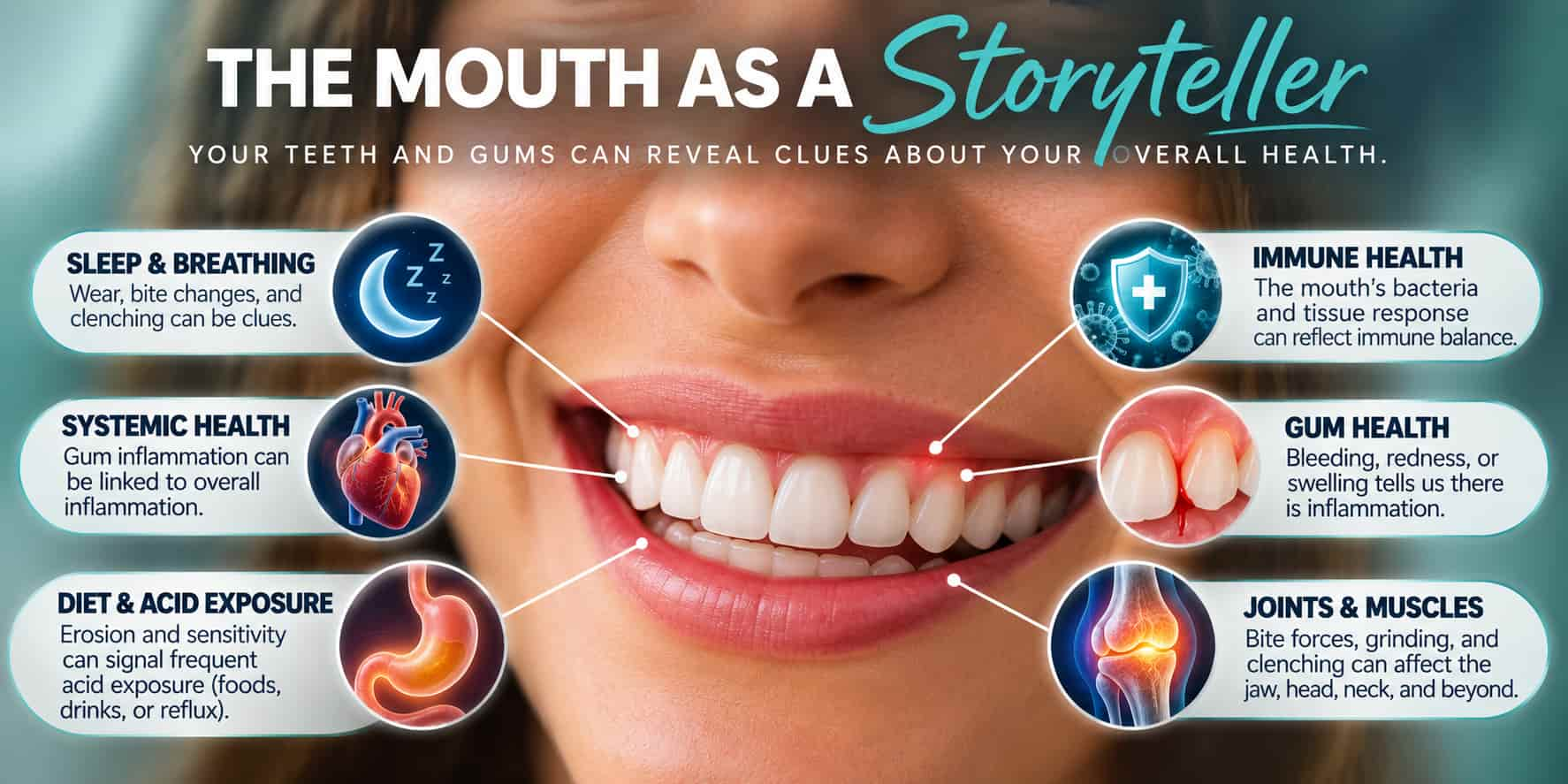
Your teeth, gums, tongue, saliva, bite, and oral tissues can sometimes provide clues about what has been happening over months—or even years.
The goal is not to turn every dental finding into a medical diagnosis.
It is to recognize patterns and ask better questions.
Bleeding gums tell a story
Healthy gums should not routinely bleed without a reason.
When we see bleeding, redness, or swelling, we think about inflammation.
The immediate question may be how to improve plaque control or periodontal health.
But we may also want to understand the bigger picture:
How long has the inflammation been present?
Is it localized or widespread?
Are there other risk factors that could be contributing?
Instead of treating blood in the sink as “just gums,” we treat it as information.
Worn teeth tell a story
Teeth gradually change over a lifetime.
But significant wear can make us ask additional questions.
Does the patient clench or grind?
Is there an unstable bite?
Could acid exposure be weakening the enamel?
Is the patient experiencing stress or sleep-related issues that may be contributing to parafunction?
The wear itself is visible.
The reason behind it may require more detective work.
Dry mouth tells a story
Saliva is one of the mouth’s most important natural defenses.
When the mouth becomes chronically dry, patients may become more vulnerable to cavities, irritation, bad breath, and changes in the oral environment.
So when we notice dry tissues, we may ask about:
- Medications
- Hydration
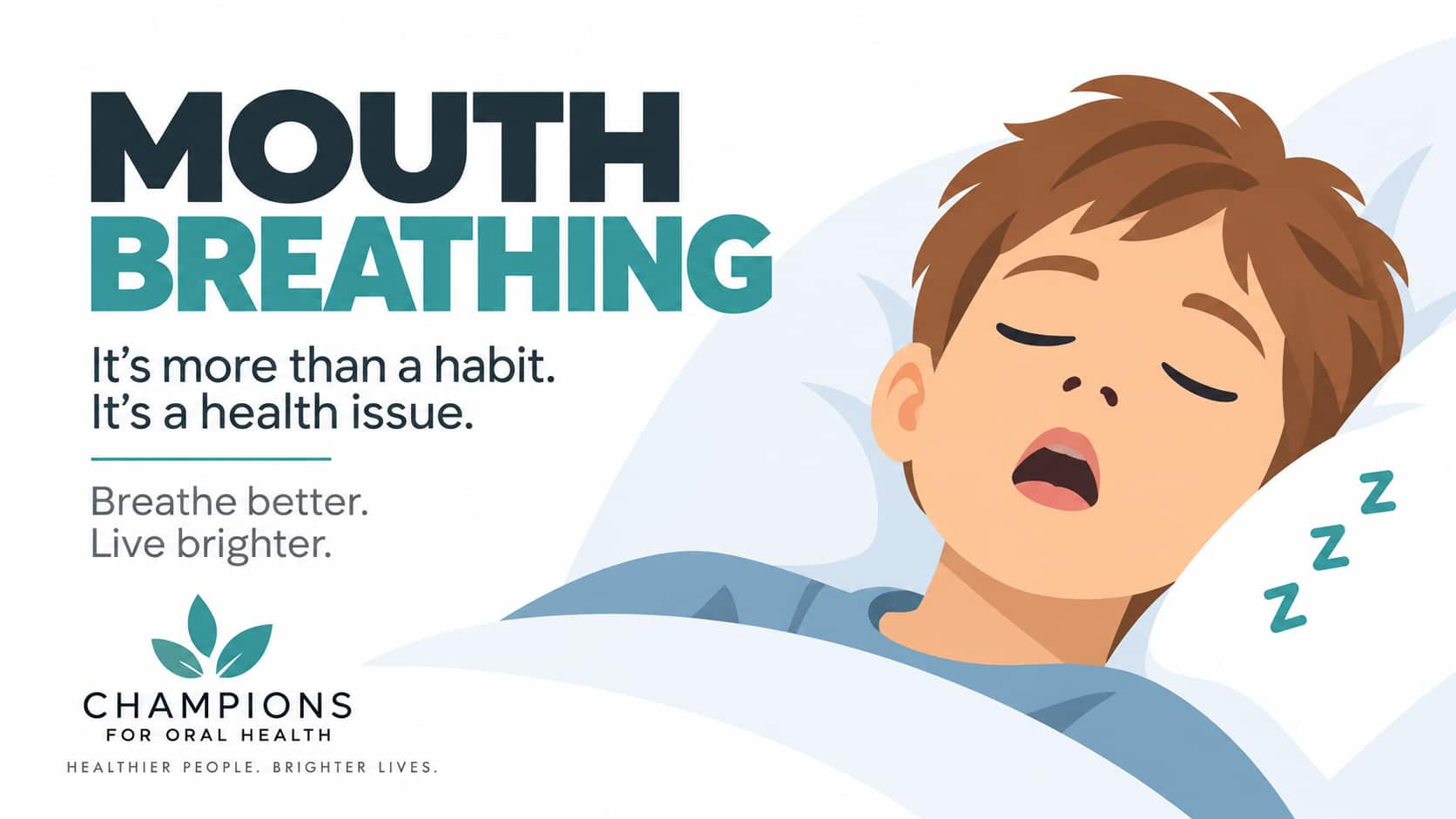
- Mouth breathing
- Sleep
- Medical conditions
- Salivary function
Again, the dryness is the clue.
The goal is understanding what may be driving it.
Acid erosion tells a story
Dental erosion occurs when acids gradually dissolve tooth structure.
Sometimes those acids come from frequent exposure to acidic drinks or foods.
Sometimes they may come from the stomach through reflux.
Sometimes the pattern of erosion helps us determine which questions should come next.
We do not want to simply repair the damaged tooth and ignore the environment that damaged it.
Cracks and fractures tell a story
A cracked tooth may be the result of one dramatic event.
But often, cracks develop after years of repeated forces.
A large restoration, clenching, grinding, bite imbalance, or heavy chewing forces may all influence how a tooth behaves over time.
That makes the crack more than an isolated event.
It may be evidence of the forces that tooth has been living with.
Old trauma tells a story
This is particularly important in athletes.
A tooth can be injured and appear relatively normal afterward.
Years later, changes may develop.
That is why a history of dental trauma matters even when the original injury happened long ago.
The mouth remembers things patients may have forgotten.
Your bite tells a story
The way your teeth come together can also provide information.
Changes in tooth position, wear patterns, chipped restorations, muscle symptoms, or uneven contacts may lead us to evaluate the bite more closely.
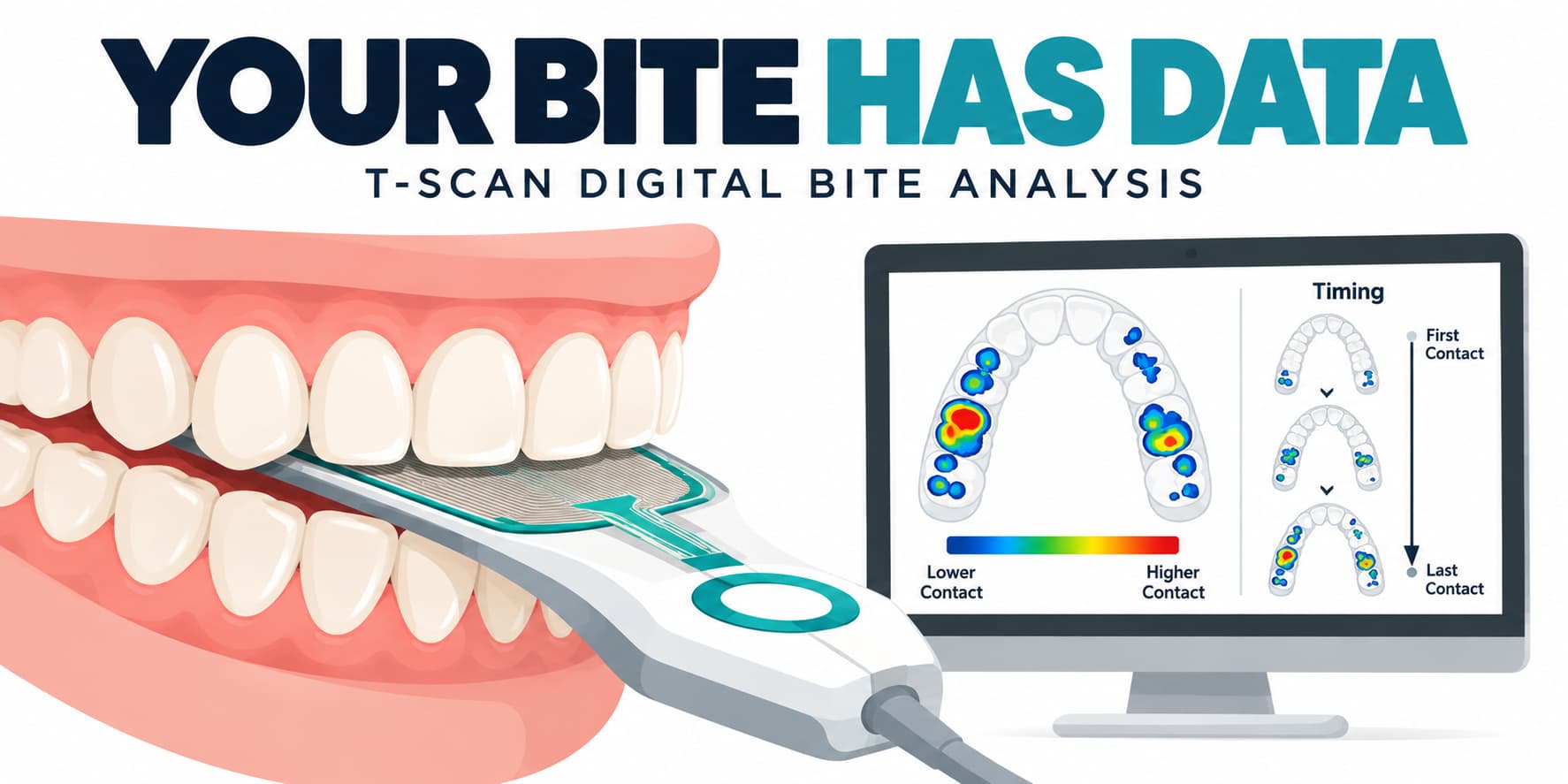
In some situations, digital technology can provide additional information about how those contacts occur.
The bite is not simply where the teeth happen to meet.
It is part of how the entire system functions.
The important word is “clue”
This distinction matters.
A dental finding does not automatically tell us exactly what is happening elsewhere in the body.
A worn tooth does not diagnose a sleep disorder.
Dry mouth does not automatically mean someone is mouth breathing.
Bleeding gums do not identify one single cause.
Instead, these findings give us clues.
Good healthcare is often about putting several clues together and deciding what deserves further investigation.
Moving from “What?” to “Why?”
Traditional dentistry has been very good at identifying what is broken.
There is decay.
There is inflammation.
There is a fracture.
There is wear.
Modern comprehensive dentistry adds another question:
Why?
Why did the cavity develop in that location?
Why is this patient suddenly getting multiple cavities?
Why are the teeth wearing so quickly?
Why are the gums repeatedly inflamed?
Why does the patient wake up with a dry mouth?
Sometimes there is a straightforward answer.
Other times, it leads to additional testing, monitoring, or referral.
But asking the question changes the way we think about oral health.
Your mouth is part of you
At Champions for Oral Health in Fairfax, Virginia, we do not see the mouth as a separate collection of teeth.
It is part of a larger biological system.
That means the information we find during a dental examination can sometimes help us understand habits, exposures, risks, and patterns that extend beyond one tooth.
Your mouth has been collecting information for years.
Sometimes our job is simply to learn how to read it.
What story is your mouth telling?
If it has been a while since your last comprehensive evaluation—or you keep dealing with the same dental problems without understanding why—we may be able to help identify the patterns behind them.
Schedule a comprehensive oral health evaluation with Champions for Oral Health and let’s look beyond what is happening to understand why it may be happening.
Dr. Chad Kasperowski is a DSD Master-certified cosmetic dentist, Fellow of the Academy of General Dentistry, and the Official Team Dentist for the Washington Commanders — bringing the same relentless pursuit of excellence to every patient in his Fairfax, Virginia, chair that he brings to the NFL.